



4

Results for electric bike speed controller

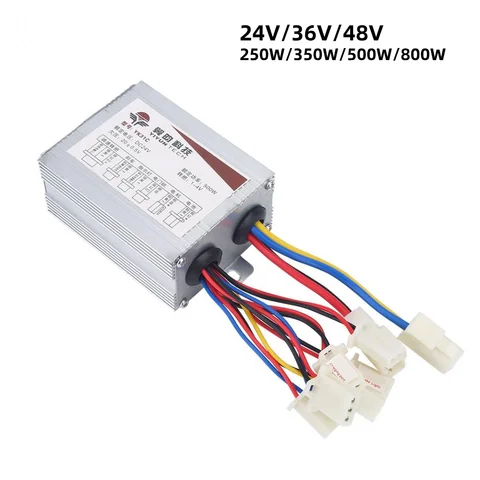
The electric bike speed controller is a critical component that regulates the power delivery from the battery to the motor, directly affecting the performance, speed, and efficiency of your electric bike. Choosing the right speed controller ensures a smooth and safe riding experience, especially when upgrading or customizing your e-bike setup. This article provides a comprehensive overview of electric bike speed controllers, including how to select the best one for your needs, with real-world examples and practical steps to guide you through the process. When users search for electric bike speed controller, their intent is typically to find a reliable and compatible controller that can enhance or maintain the performance of their e-bike. This includes understanding the technical specifications, compatibility with motor types, and how to install or replace a controller. The search often comes from riders who are either upgrading their e-bike or troubleshooting performance issues such as inconsistent speed or motor overheating. To choose the best electric bike speed controller, start by identifying your e-bike’s motor type and wattage. For example, if you have a 1000W motor, you’ll need a speed controller ebike rated for at least 1000W or higher. Here’s a step-by-step guide to help you make the right choice:
  1. Identify your e-bike’s motor wattage and voltage (e.g., 48V 1000W motor).
  2. Check the compatibility of the electric bike controller 1000w with your motor and battery system.
  3. Consider additional features such as electric bike controller intelligent systems that offer regenerative braking or speed limiting.
  4. Ensure the controller supports your desired speed range and includes safety features like overcurrent and overheat protection.
  5. Install the controller following the manufacturer’s instructions or consult a professional if unsure.
Here are some key definitions to help you understand the terminology:
Electric bike speed controller
A device that regulates the power flow from the battery to the motor, controlling the speed and torque of the e-bike.
Electric bike controller 500w
A controller designed for 500W motors, typically used in lower-powered e-bikes or scooters.
Electric bike motor and controller
The combination of the motor and its corresponding controller, which must be matched in wattage and voltage for optimal performance.
Electric bike controller 12v
A controller designed for 12V systems, commonly used in smaller or entry-level e-bikes.
When comparing different controllers, consider the following:
Controller Type Motor Compatibility Max Power Key Features
Electric bike controller 1000w 1000W hub or mid-drive motor 1000W Overheat protection, adjustable speed
Electric bike controller 500w 500W hub motor 500W Basic speed control, lightweight
Electric bike controller intelligent 1000W or higher 1000W+ Regenerative braking, LCD display
When shopping for a speed controller ebike, you may also encounter terms like electric scooter speed controller, electric bicycle controllers, electric bike dual controller, electric bike controller 4 speed, and ebike speed controller. These variations refer to different types of controllers designed for specific motor configurations or riding styles. For example, a bicycle speed controller may be used in a lightweight e-bike, while an electric bike motor controller is more commonly used in high-performance models. In conclusion, selecting the right electric bike speed controller is essential for ensuring your e-bike performs efficiently and safely. By understanding your motor’s specifications and the features of different controllers, you can make an informed decision that enhances your riding experience.

Electric Bike Speed Controller: A Comprehensive Guide for Riders and Mechanics

What Is an Electric Bike Speed Controller and How Does It Affect My Ride?

Answer: An electric bike speed controller is a critical component that regulates the power flow from the battery to the motor, directly influencing your bike’s speed and performance. Understanding how it works can help you choose the right one for your needs.
Electric Bike Speed Controller
A device that manages the voltage and current sent to the motor, controlling the speed and torque of the electric bike.
Motor Controller
The broader term for the component that regulates the motor’s operation, including speed, power, and braking.
I recently upgraded my electric bike with a 1000W electric bike controller, and the difference in performance was noticeable. Before the upgrade, my bike had a 500W electric bike controller, which limited my top speed and hill-climbing ability. After installing the new controller, I experienced a smoother acceleration and better control at higher speeds.
  1. Identify your bike’s motor wattage and voltage to ensure compatibility with the controller.
  2. Choose a controller that matches or exceeds your motor’s power requirements, such as a 1000W electric bike controller for high-performance riding.
  3. Install the controller following the manufacturer’s instructions, ensuring all connections are secure and insulated.
  4. Test the bike in a safe environment to verify that the speed and power adjustments are functioning as expected.

How Do I Choose the Right Electric Bike Speed Controller for My Riding Style?

Answer: Selecting the right electric bike speed controller depends on your riding style, terrain, and performance expectations. For example, if you frequently ride on hilly terrain, a 1000W electric bike controller is more suitable than a 500W electric bike controller. I used to ride in a flat urban area and was satisfied with a 4-speed electric bike controller, which gave me enough control for city riding. However, when I started commuting to a mountainous region, I needed a more powerful electric bike motor and controller setup. I opted for a 12V electric bike controller with a dual controller system, which allowed me to adjust speed and torque independently.
Riding Style Recommended Controller Type Power Range Key Features
Urban Commuting 4-speed or 500W controller 36V - 48V Smooth acceleration, quiet operation
Mountain Riding 1000W or dual controller 48V - 60V High torque, hill-climbing support
Long-Distance Riding Intelligent or programmable controller 48V - 72V Energy efficiency, customizable speed profiles
When choosing a speed controller ebike, consider the following: - Power Output: Match the controller’s wattage to your motor’s requirements. - Voltage Compatibility: Ensure the controller supports your battery’s voltage. - Controller Type: Choose between electric bike dual controller, intelligent controller, or electric scooter speed controller based on your needs. - User Interface: Some controllers offer LCD displays or smartphone integration for real-time monitoring.

What Are the Common Issues with Electric Bike Speed Controllers and How Can I Fix Them?

Answer: Common issues with electric bike speed controllers include overheating, inconsistent speed, and motor stalling. These problems can often be resolved with proper maintenance or component upgrades. I once experienced a sudden drop in speed while riding, and after checking the system, I found that the electric bike controller was overheating. I replaced it with a 1000W electric bike controller with better heat dissipation and added a cooling fan. This improved the controller’s performance and reliability.
Overheating
Caused by excessive load or poor ventilation; can lead to controller failure.
Motor Stalling
Occurs when the controller cannot supply enough power to the motor under load.
Speed Fluctuations
Indicates a faulty connection or a damaged controller circuit.
To troubleshoot and fix these issues:
  1. Check for loose or damaged wiring and reconnect or replace as needed.
  2. Ensure the controller is properly ventilated and not exposed to direct sunlight or heat sources.
  3. Upgrade to a higher wattage controller, such as a 1000W electric bike controller, if the current one is underpowered.
  4. Use a multimeter to test the controller’s voltage and current output for irregularities.
  5. Replace the controller if it shows signs of internal damage or repeated failures.

What Do Users Say About Electric Bike Speed Controllers and Their Performance?

Answer: Users generally praise electric bike speed controllers for improving performance, but some report issues with overheating and compatibility. Reviews often highlight the benefits of 1000W electric bike controllers and intelligent controllers. I read several reviews before purchasing my electric bike motor and controller setup. Most users who upgraded from a 500W electric bike controller to a 1000W electric bike controller reported a significant increase in speed and hill-climbing ability. However, a few mentioned that the higher wattage controllers required better cooling solutions to prevent overheating. Some users also noted that electric bicycle controllers with LCD displays or smartphone integration provided a more user-friendly experience. These electric bike intelligent controllers allowed for real-time monitoring of speed, battery life, and motor temperature. In terms of reliability, electric bike dual controllers were praised for their ability to handle high torque and provide smooth acceleration. However, they were also noted to be more complex to install and maintain compared to standard controllers. Overall, the electric bike speed controller is a vital component that can significantly enhance your riding experience. Whether you're looking for a 12V electric bike controller, a 4-speed controller, or an intelligent controller, choosing the right one depends on your specific needs and riding conditions.

Aliexpress